For landlords who are done
Being a landlord was supposed to be passive income
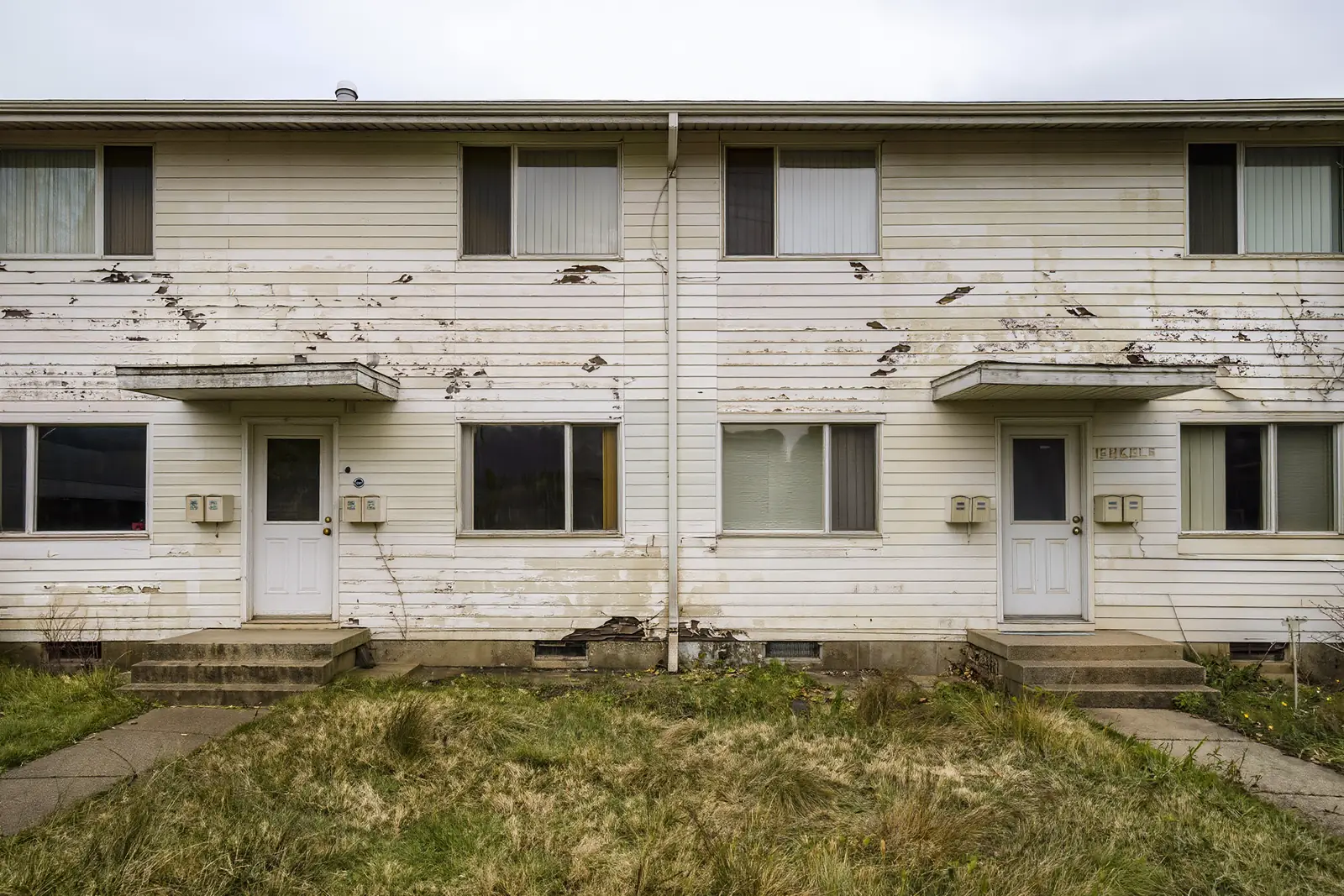
Maybe you bought the duplex as an investment, or inherited the building from a parent, or kept your old house as a rental when you moved. For a while it worked. Now the tenant upstairs is three months behind, the one downstairs calls about everything, the city has sent an orders letter, and you’ve stopped doing the math on what the place actually nets you.
Selling a tenant-occupied rental the traditional way is awkward: showings have to be scheduled around tenants who don’t want strangers in their home, most buyers want the unit vacant, and lenders and inspectors will want the deferred maintenance dealt with. Many landlords conclude they have to evict first — which in Wisconsin means proper notice, small-claims court and, for a non-paying tenant, months of lost rent.
We buy rentals the way they are: with the tenants, the leases, the late rent and the repair list. We look at the building, make a written offer within 24 hours, and take over the tenant relationship at closing. You stop being a landlord the day we close.
Your options
How selling to us works when you’re selling a rental with tenants
Tell us about the building and the tenants
How many units, what the leases say, who is current and who isn’t, and what the building needs. A rent roll and copies of the leases help; if you don’t have them handy, that’s fine.
A low-key walkthrough
We schedule with your tenants the way Wisconsin law requires — with advance notice — and keep it short. Exterior and common areas often tell us most of what we need.
A written offer, with the math
Based on what the building is worth fixed up and fully rented, what it needs, and our costs.
Sign the purchase agreement
No pressure, no deadline. If keeping the building is the better move, we’ll say so.
Leases, deposits and keys transfer
The title company handles the sale, security deposits transfer to us with proper notice to the tenants, and we take over rent collection and repairs the next day.
What we handle so you don’t have to
- Tenant-occupied units, month-to-month tenancies and non-paying tenants
- Existing leases, which we honor, and security deposit transfers with the required notices
- City orders, code violations and deferred maintenance after closing
- Multi-unit buildings, duplexes, and single-family rentals alike
- Out-of-town owners: photos and a video walkthrough instead of a visit
- A closing date that lines up with a lease end, a tax year or a 1031 exchange
Not legal advice. In Wisconsin, a written lease generally continues with the new owner, month-to-month tenancies require proper written notice (28 days is the standard statutory period), and security deposits and their notices have specific rules. We follow them; if you have questions about your leases or a problem tenant, a Wisconsin landlord-tenant attorney is the right call.